
Periods are not exactly the same for every woman. Cycle length, bleeding, and symptoms can naturally vary from person to person. However, a clear change from your usual pattern may sometimes signal an underlying health issue.
An irregular period may mean that your cycles are unusually short, unusually long, frequently missed, or difficult to predict. Pregnancy, hormonal changes, stress, thyroid problems, PCOS, changes in weight, and several other conditions can affect menstruation. Understanding the possible causes can help you know when medical advice is appropriate.
WHAT ARE IRREGULAR PERIODS?
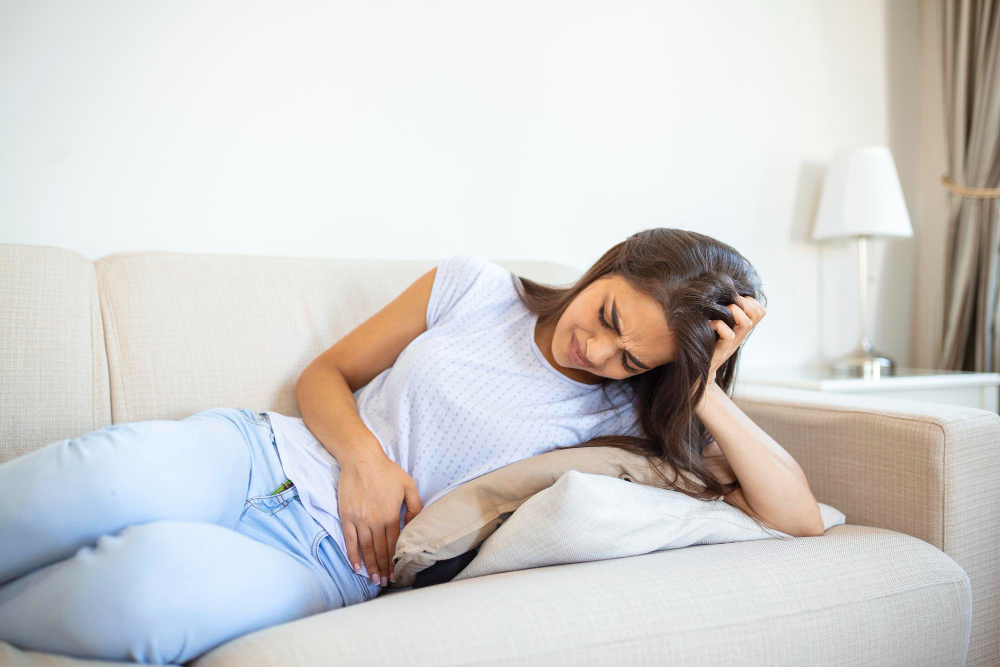
The menstrual cycle is counted from the first day of one period to the first day of the next. Some variation from month to month can be normal. However, periods may be considered irregular when the pattern repeatedly changes, periods are frequently missed, or bleeding occurs much more often or less often than expected. A previously regular cycle that suddenly becomes unpredictable also deserves attention. For some women, irregularity is temporary, while for others it may continue because of an underlying hormonal or gynecological condition.
COMMON CAUSES OF IRREGULAR PERIODS
There are many possible reasons for changes in menstrual cycles. One of the most common is polycystic ovary syndrome (PCOS), a hormonal condition that can interfere with regular ovulation.
Hormonal changes related to the thyroid gland can also affect menstruation. Both an underactive and overactive thyroid may cause periods to become irregular or stop for a time.
Stress, inadequate sleep, sudden weight gain or weight loss, very low body weight, and excessive exercise may also disturb the hormonal signals involved in ovulation. During adolescence, cycles can be unpredictable while the reproductive system is still maturing. Later in life, perimenopause can cause periods to become shorter, longer, lighter, heavier, or occasionally skipped.
Pregnancy is another important possibility whenever a period is unexpectedly missed. Certain medicines and hormonal contraceptives can also alter bleeding patterns. Uterine fibroids and other gynecological conditions may contribute to abnormal bleeding.
SYMPTOMS THAT MAY OCCUR ALONG WITH IRREGULAR PERIODS
Irregular menstruation may occur on its own or alongside other symptoms. You may notice unusually heavy or very light bleeding, periods that are missed completely, or bleeding that happens more frequently than expected. Some women experience severe cramps, pelvic discomfort, acne, increased facial or body hair, unexpected weight changes, fatigue, or other symptoms associated with hormonal changes.
The combination of symptoms can provide useful clues. For example, irregular cycles together with acne, increased facial hair, or weight-related changes may suggest PCOS, although these symptoms alone cannot confirm the diagnosis.
IRREGULAR PERIODS AND PCOS
PCOS is a common reason for irregular periods because hormonal changes can interfere with regular ovulation. When ovulation does not occur consistently, periods may become widely spaced or unpredictable. Some women with PCOS may also experience acne, increased facial or body hair, difficulty managing weight, or difficulty becoming pregnant. However, having irregular periods does not automatically mean that you have PCOS. Other hormonal, reproductive, metabolic, and lifestyle factors can produce similar menstrual changes. If PCOS is suspected, a PCOS Specialist in Ballari can evaluate the overall pattern rather than relying on one symptom or one test.
WHEN ARE IRREGULAR PERIODS A CONCERN?
You should consider seeing a doctor if your periods remain irregular for several cycles or suddenly change after previously being predictable. Missing several periods without an obvious reason also warrants evaluation. Medical attention is particularly important when bleeding is unusually heavy or prolonged, severe pelvic or menstrual pain develops, or menstrual problems begin interfering with work, sleep, exercise, or daily activities. If pregnancy is possible, a pregnancy test may be appropriate. Women who are experiencing irregular cycles together with signs of hormonal imbalance or difficulty conceiving may also benefit from an earlier consultation. A Gynecologist in Ballari can help determine whether testing or treatment is needed.
HOW IS THE CAUSE DIAGNOSED?
A consultation usually begins with questions about your menstrual pattern, previous pregnancies, medical conditions, medicines, weight changes, exercise, sleep, stress, and other lifestyle factors. A pregnancy test may be recommended when appropriate. Depending on your symptoms, the doctor may order blood tests to evaluate thyroid function or other hormones. An ultrasound may also be advised when there is a reason to examine the uterus or ovaries more closely. The exact tests depend on the individual situation. There is no single investigation that can identify every cause of irregular periods.
TREATMENT DEPENDS ON THE CAUSE
There is no universal treatment for irregular periods because the appropriate approach depends on why the cycle has changed. If lifestyle factors are contributing, balanced nutrition, appropriate weight management, adequate rest, and sensible exercise may help. Thyroid disorders and other medical conditions require treatment directed at the underlying problem.
PCOS management may focus on menstrual regulation, metabolic health, symptoms such as excess hair or acne, or pregnancy planning, depending on the woman's goals. Hormonal medicines may be prescribed when appropriate, while abnormal bleeding may require specific treatment. If irregular ovulation is making conception difficult, fertility-focused evaluation and treatment may be considered. Irregular Periods Treatment in Ballari should therefore begin with identifying the underlying cause rather than simply trying to make the bleeding pattern look regular.
CAN IRREGULAR PERIODS AFFECT FERTILITY?
Irregular periods do not necessarily mean infertility. However, if irregular cycles are caused by inconsistent ovulation, predicting the fertile period can be more difficult and conception may take longer. Women who are trying to conceive and have irregular or very painful periods may benefit from fertility evaluation sooner rather than waiting a full year. This is especially relevant when there are other known reproductive health concerns. When pregnancy is the goal, Infertility Treatment in Ballari may be considered after evaluating both partners and identifying the factors affecting conception.
WHAT CAN WOMEN DO TO TRACK THEIR PERIODS?
Keeping a menstrual record can make a medical consultation much more useful. Note the first and last day of bleeding, approximate flow, pain, spotting between periods, and other symptoms. It can also help to record major changes in stress, sleep, exercise, weight, medicines, or general health. A few months of information can reveal patterns that may otherwise be difficult to remember.
TAKE THE NEXT STEP
Irregular periods are common, but they should not always be dismissed as “just hormonal.” Understanding the pattern and identifying the cause can help protect reproductive and overall health. For professional evaluation and personalized care, consult Dr. Meghana B.V at SVP Chest & Maternity Clinic. If your menstrual pattern has changed, schedule a consultation to discuss your symptoms, possible causes, and appropriate treatment options.
Frequently Asked Questions (FAQs)
1. Why are my periods irregular?
Possible causes include PCOS, thyroid disorders, pregnancy, stress, weight changes, excessive exercise, puberty, perimenopause, medicines, and other gynecological conditions.
2. Is it normal to have irregular periods?
Some variation is normal, particularly during the first few years after periods begin or around the menopausal transition. Persistent or sudden changes should be assessed.
3. How many days late is considered an irregular period?
There is no single number of “late days” that applies to every woman. Repeated cycles that are unusually long, short, or unpredictable are more important than one late period.
4. Can stress cause irregular periods?
Yes. Significant or ongoing stress can interfere with the hormonal signals involved in ovulation and may alter menstrual timing.
5. Can PCOS cause irregular periods?
Yes. PCOS can interfere with regular ovulation and is a common cause of unpredictable or widely spaced periods.
6. Can thyroid problems affect periods?
Yes. Both an underactive and overactive thyroid can contribute to menstrual irregularities.
7. Can irregular periods affect pregnancy?
They can make conception more difficult when irregularity is caused by inconsistent ovulation, but irregular periods do not automatically mean infertility.
8. When should I see a gynecologist?
Consider an evaluation when irregularity persists, periods stop unexpectedly, bleeding becomes unusually heavy or prolonged, severe pain develops, or pregnancy is possible. A Gynecologist in Ballari can help determine whether testing or treatment is needed.